Eight Voices on Capabilities at Work: Making Work More Human, Equitable and Meaningful
What if we measured work not by what it pays, but by what it lets you become? Capabilities at Work (Cambridge University Press, 2026, open access) brings voices to one bold idea — that work should let everyone be and do what they truly value.

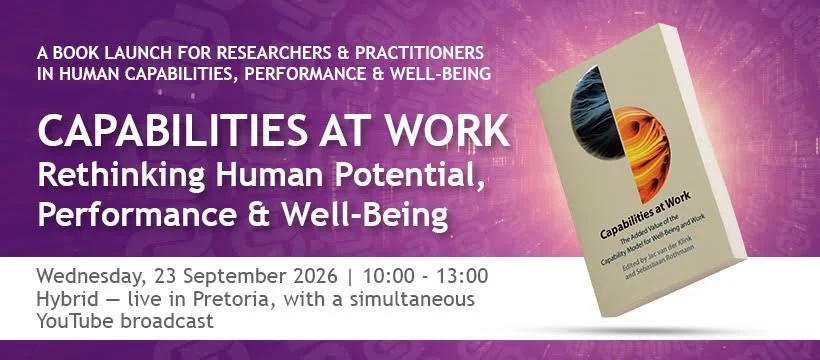
The International Launch of Capabilities at Work
An international conversation on work, well-being, and what people have reason to value. Join us on 23 September 2026 — in Centurion or online — for the launch of Capabilities at Work.
Open the Door: Capability Month — The Second Gathering
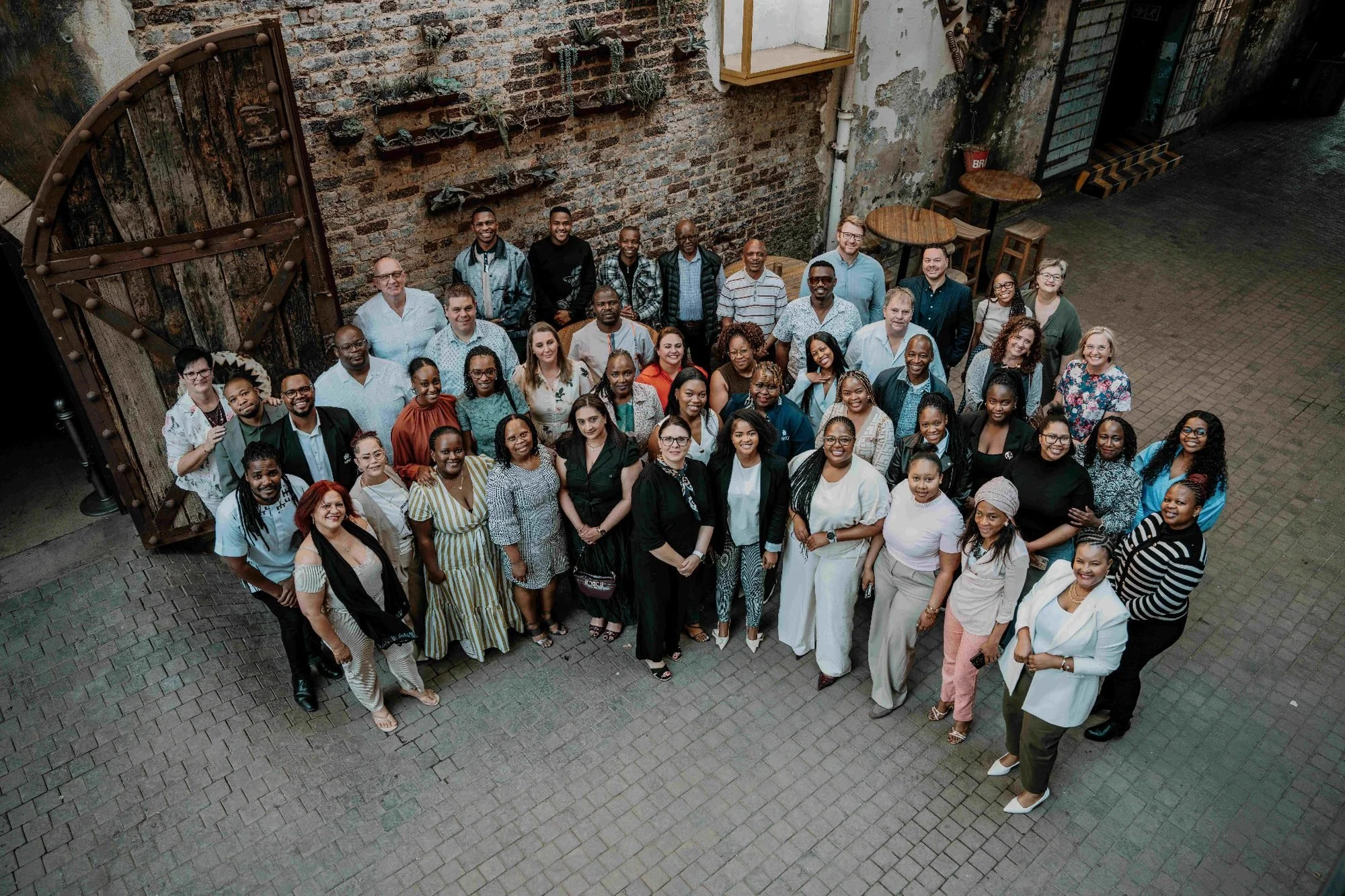
Today you receive; tomorrow you give. At today's certificate ceremony, Optentia and the NWU marked the completion of four mentorship courses — and set dozens of new mentors and mentees on their way.
Meet Dr Vedhna Dayanand-Lalla: Championing Capabilities, Ubuntu and Human Flourishing
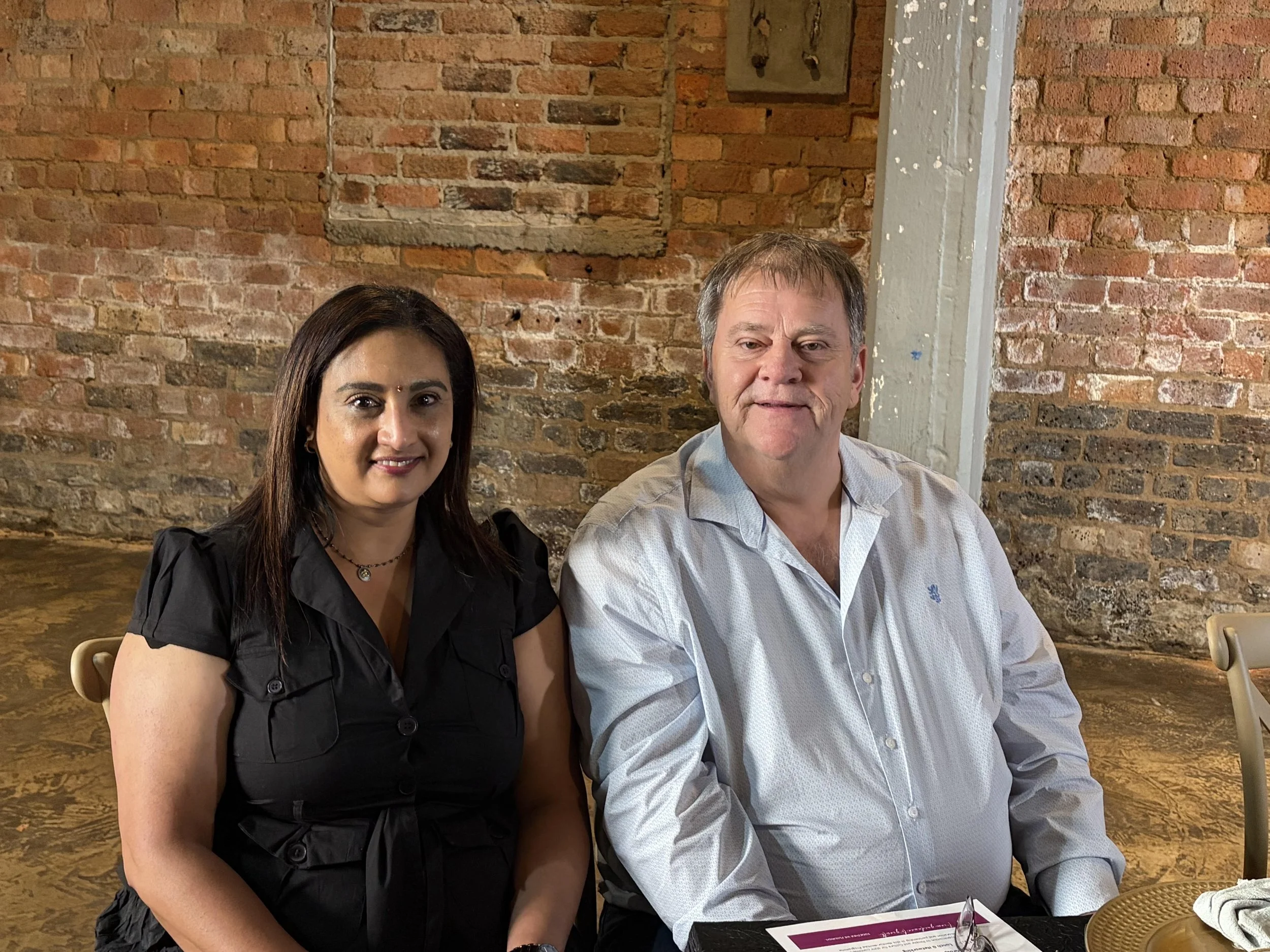
Scholarship meets frontline practice. Meet Dr Vedhna Dayanand-Lalla, whose work bridges gender, empowerment and the capability approach.
Capability Month Begins: Nourishing What It Means to Flourish
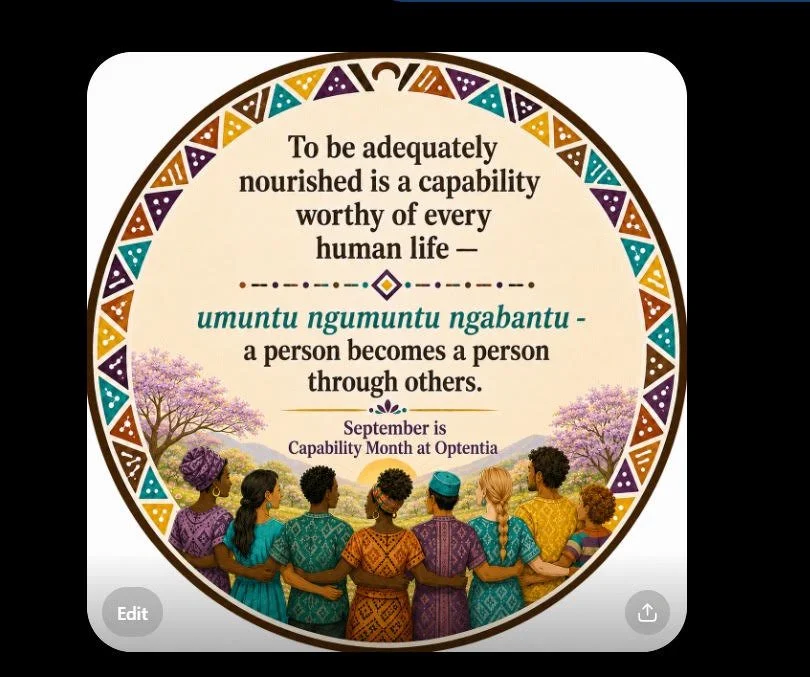
Capability Month begins on the first day of Spring — a season of new growth, and the right moment to ask what allows people to flourish.
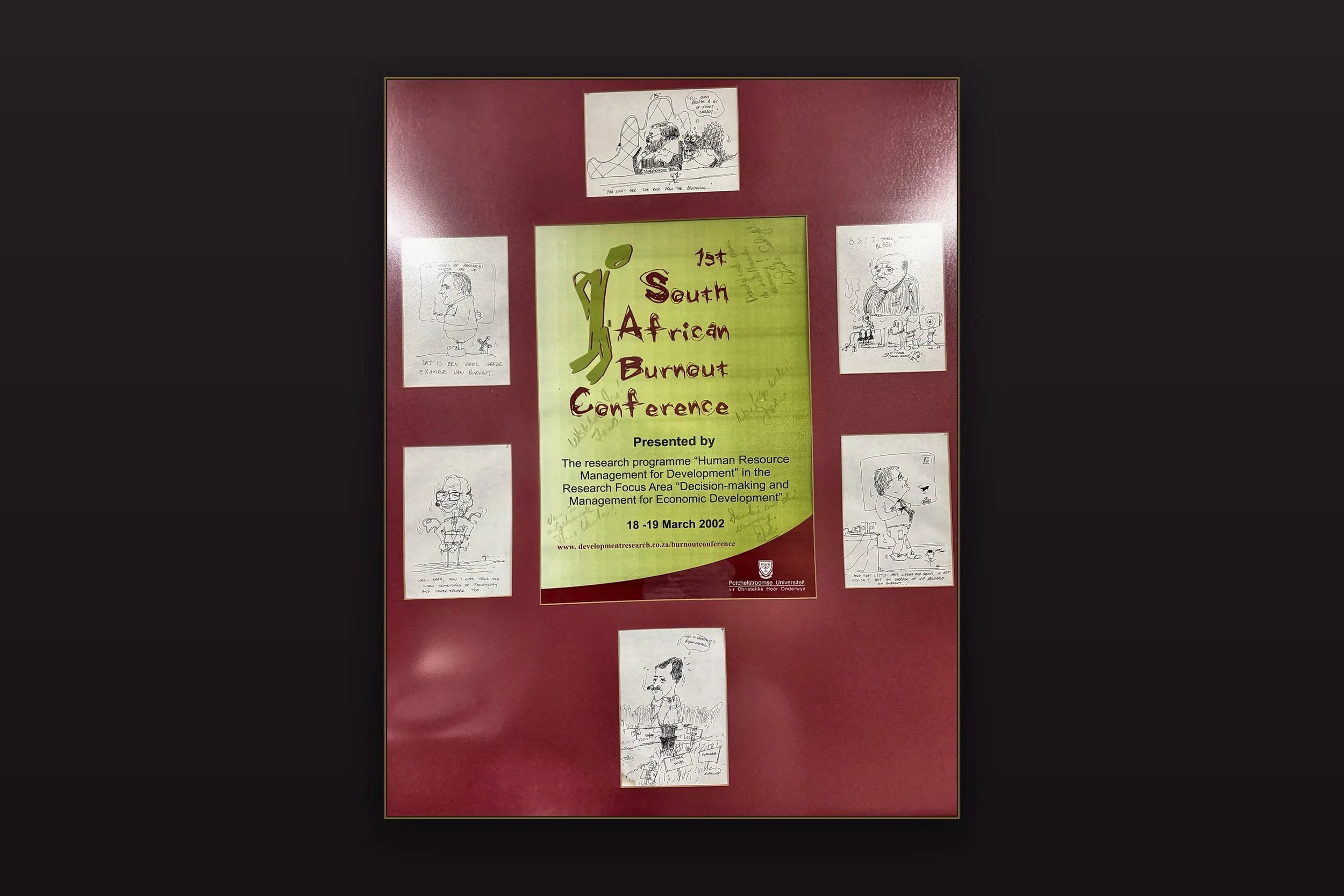
The First SA Burnout Conference: 18–19 March 2002 - A remembrance
Some jokes take twenty years to become tender. In 2002, a room in Potchefstroom held South Africa's first conversation on burnout — five speakers, one psychiatrist with a wicked pen, and a set of cartoons that has since become a way of keeping company with friends now gone.
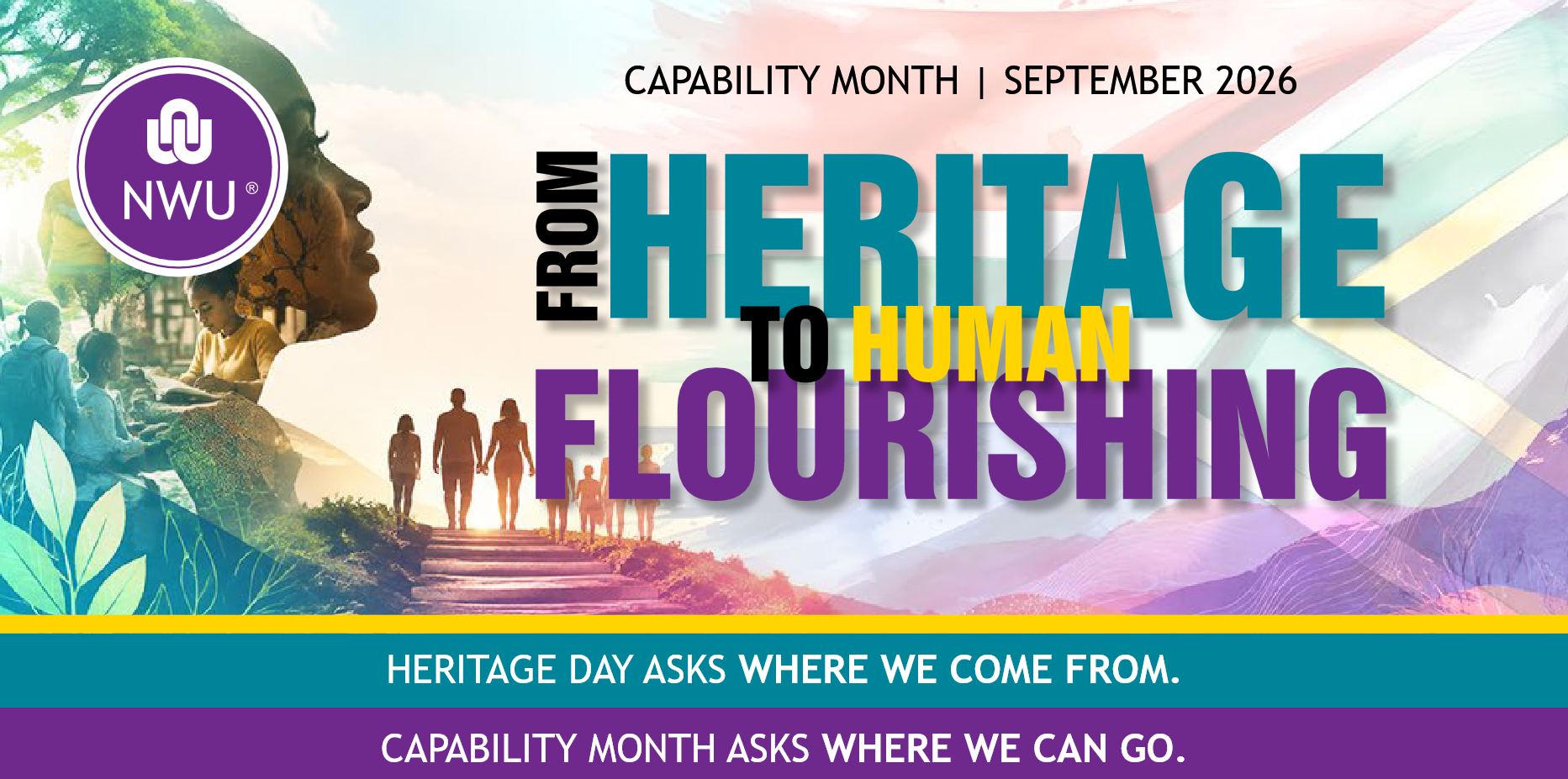
Capability Month 2026: Asking Where We Can Go
Heritage Day asks where we come from. This September, Optentia's Capability Month asks where we can go.
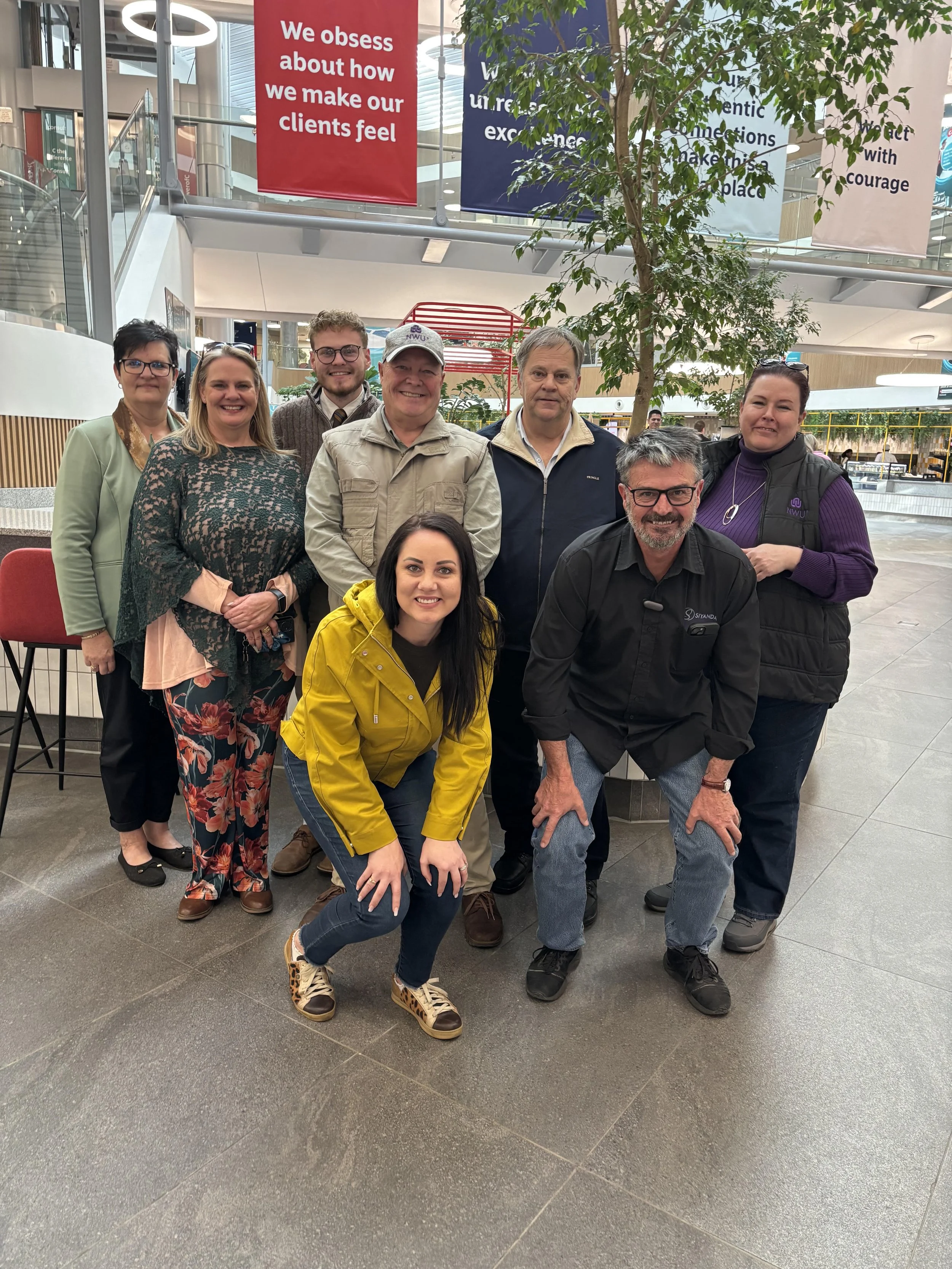
From the Page into Practice
Planning is well underway for the launch of Capabilities at Work — a new, interdisciplinary perspective on work and well-being built on the Capability Approach. On 23 September 2026, at Momentum in Centurion, we bring this research within reach of the universities, industry and policy voices who can turn a new paradigm into practice.
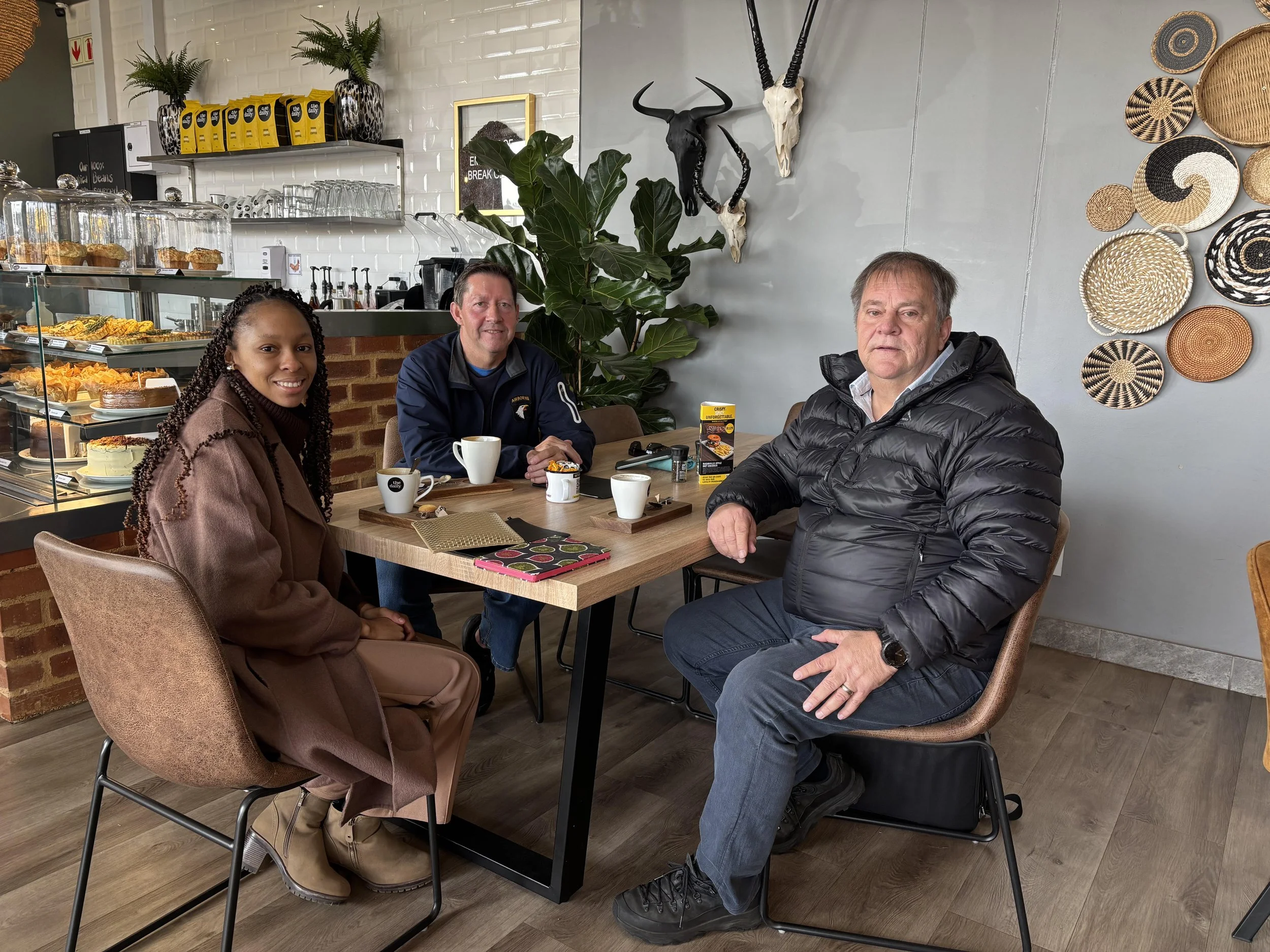
Bringing the labour market closer to people
We helped unemployed people prepare for the labour market — until one of them gently asked, "but what now, there is still no work?" This is the story of how that question opened up another dimension of our work: not only preparing people for jobs, but also preparing the labour market for people.

Mentorship: An Underrated Strategy for Work Readiness
Mentorship isn’t weak — it’s judged by its worst versions. Done deliberately, it targets the exact gap our graduates fall into: the broken bridge between a degree and a job.
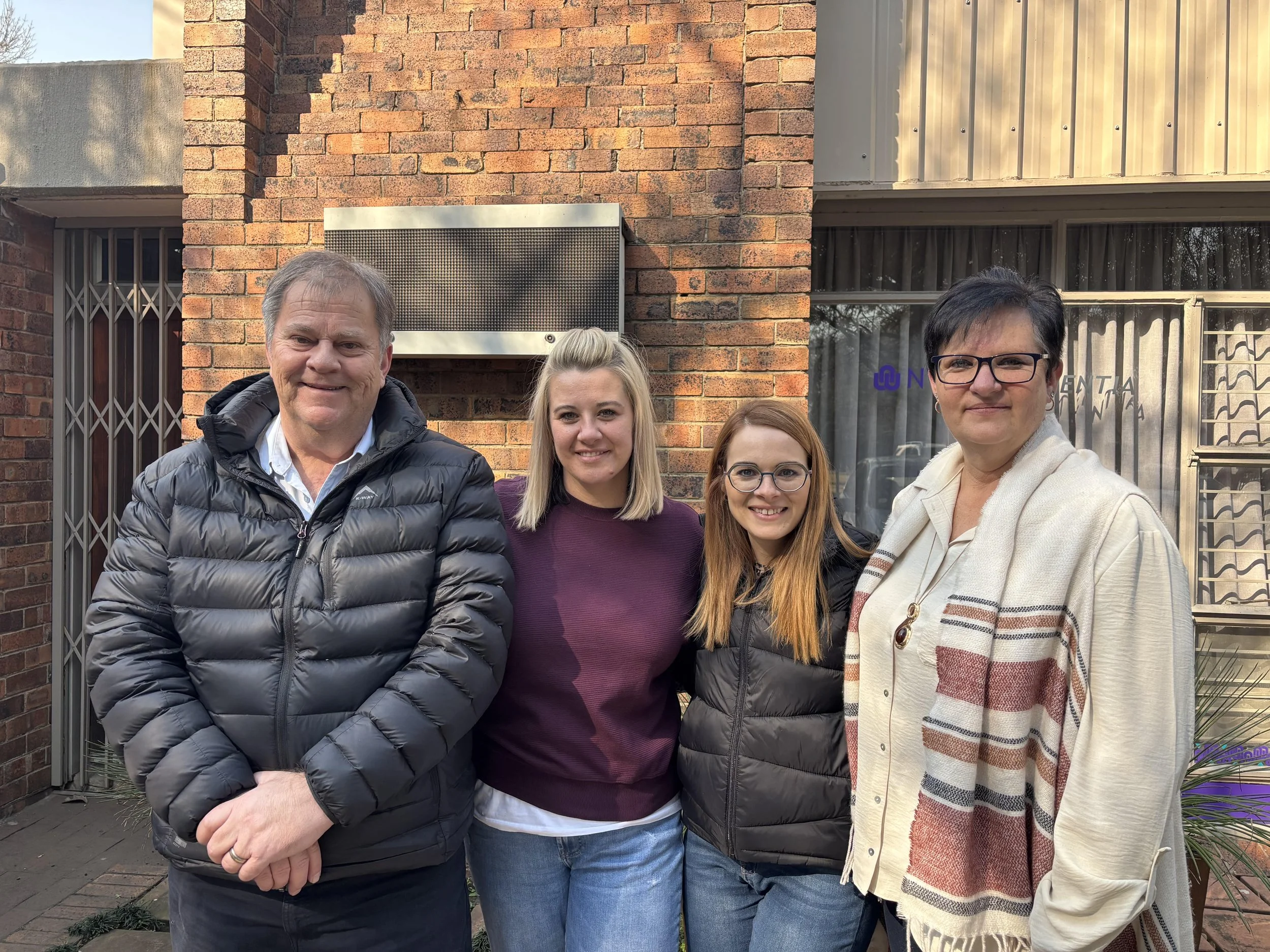
Actors, agents and authors: A new generation of South African scientists
There is a familiar pessimism about the research pipeline in South Africa. This is a story about why I am more optimistic than I was a year ago — and about two young scientists who made me one.
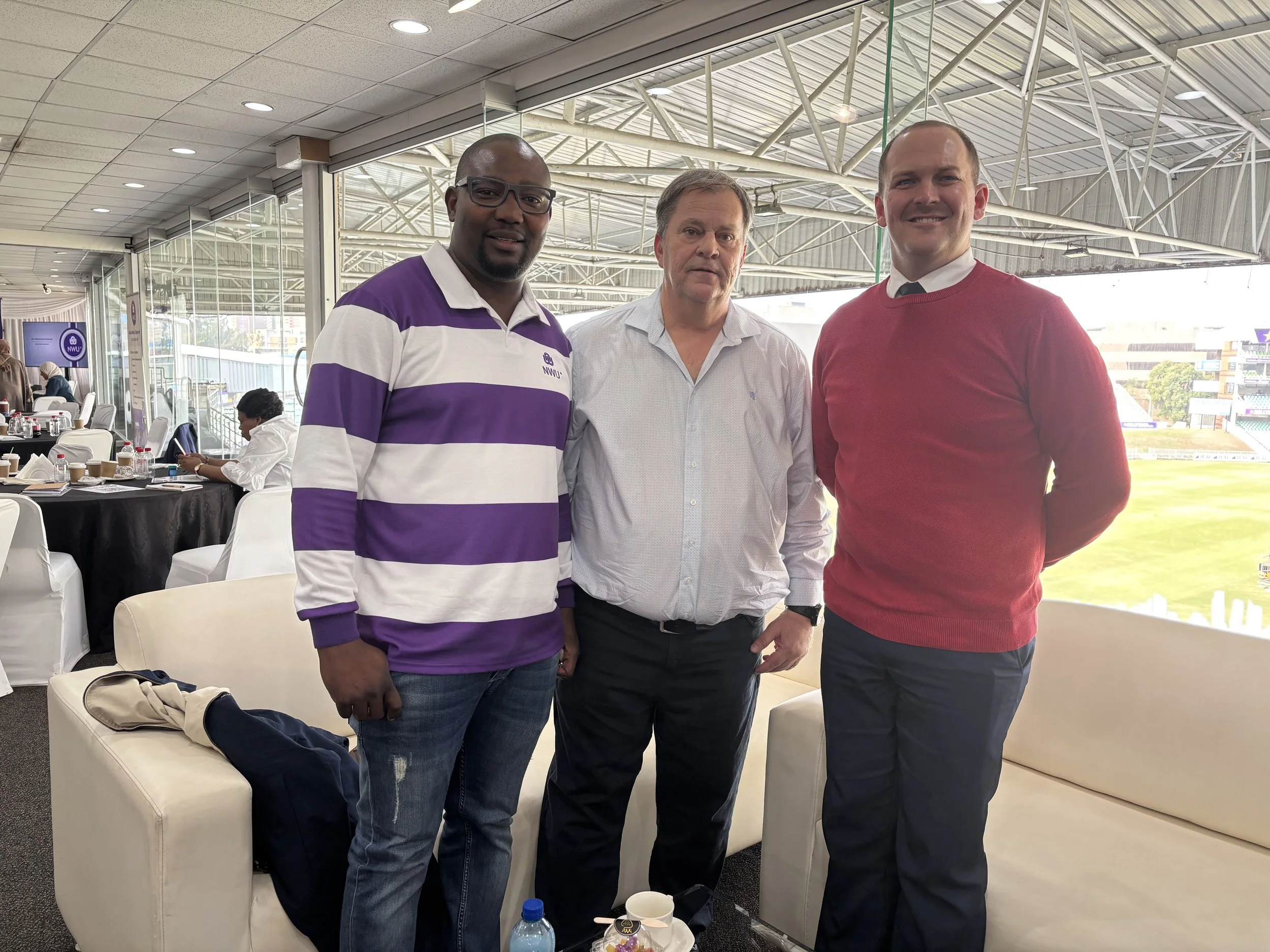
Well-being as Freedom: What the Capability Approach Offers Teachers
Reflections from an afternoon with KwaZulu-Natal's Life Orientation teachers, and a case for removing the barriers that hold both teachers and learners back.
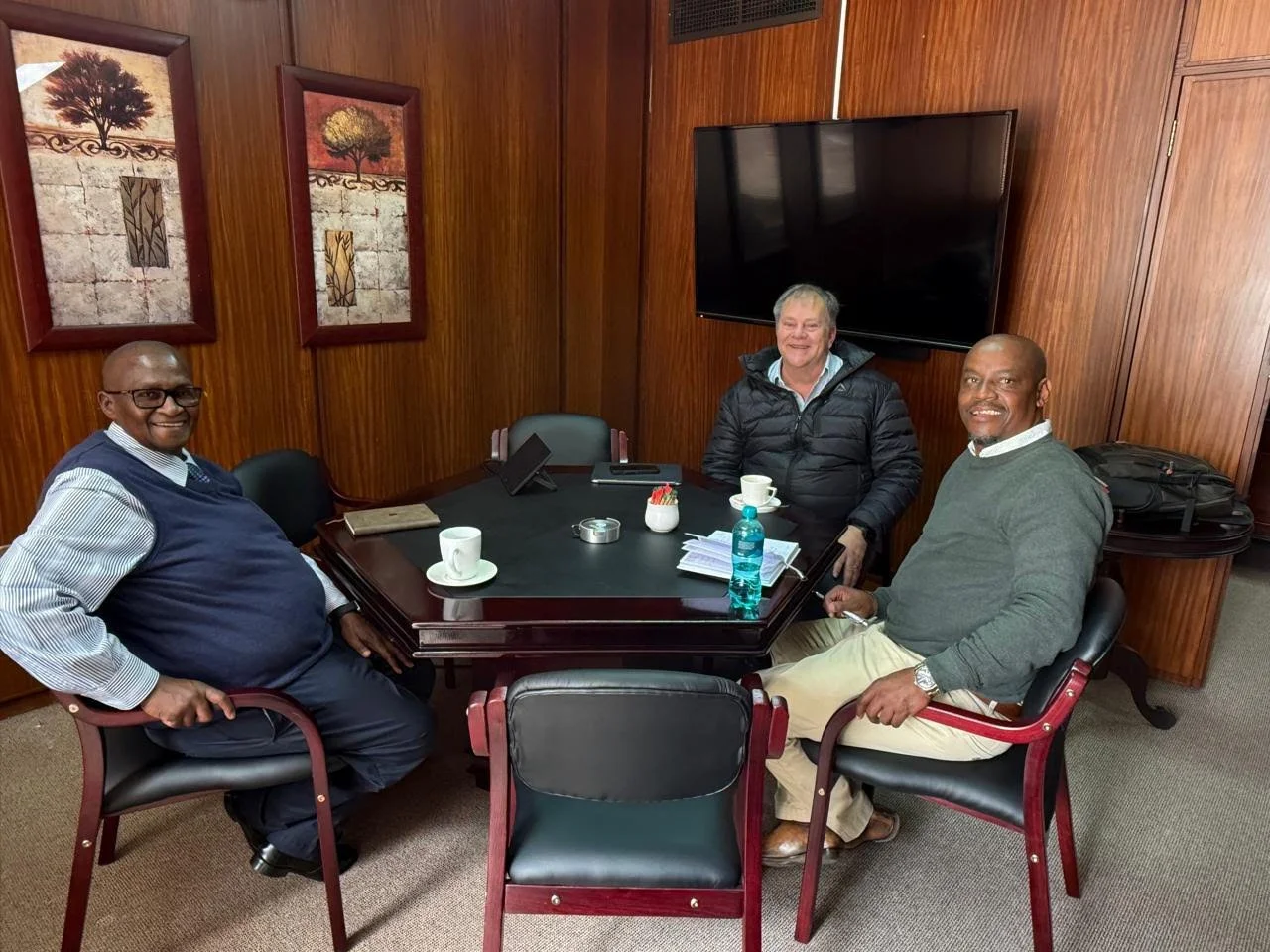
Where Paths Meet Again
Some paths part ways only to curve back toward each other. Here's what happened when research and administration reunited over one student's PhD journey.

The Empty Cup: What Every Teacher Should Know About Well-being
Every learner has potential; this post asks whether the opportunity in front of them is real — and what teachers can do to open it.
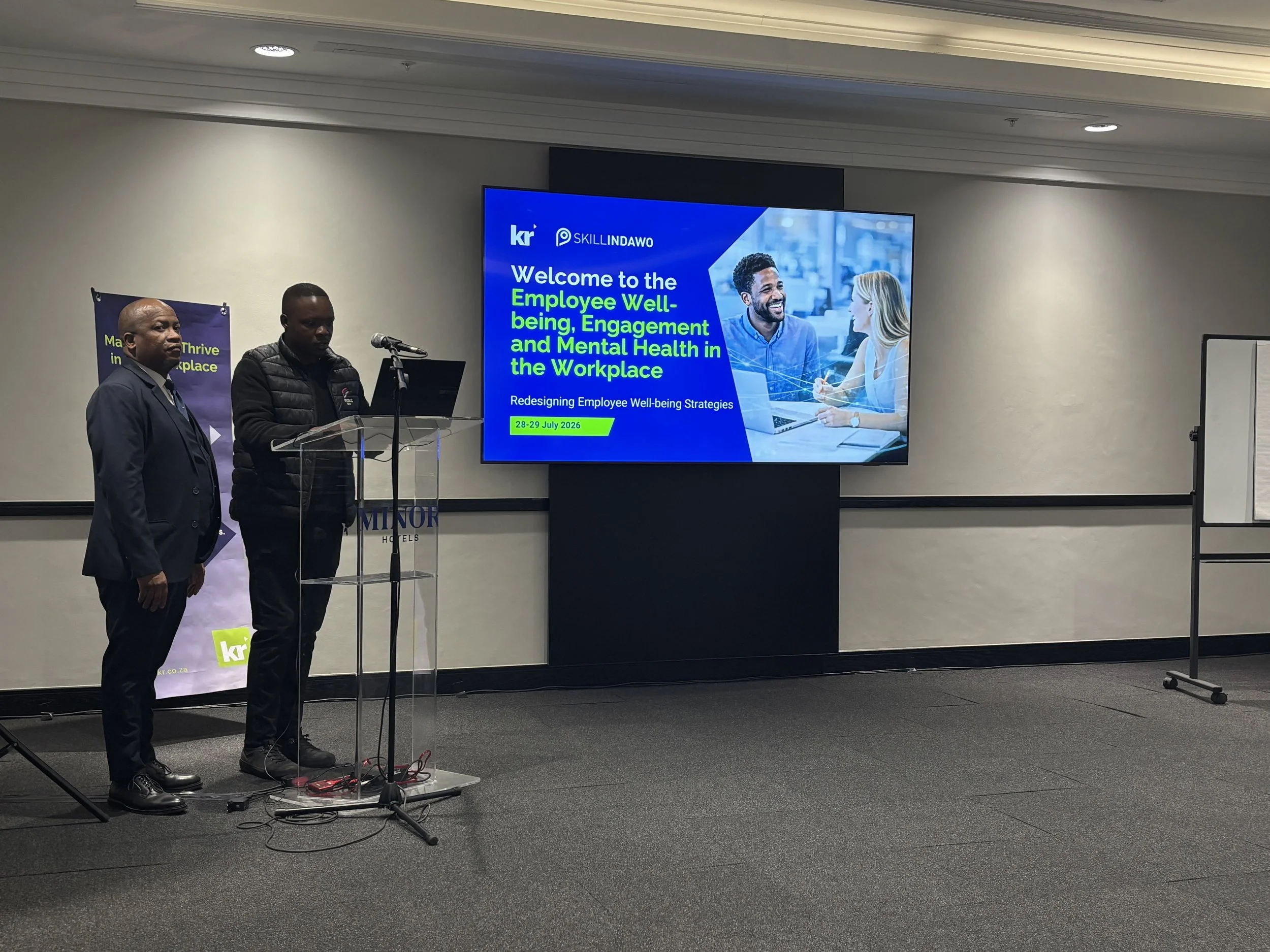
The State of Employee Mental Health in South Africa
South Africa's mental health picture refuses to sit still inside a single figure. This post looks at three things at once — what the data actually says, where the workplace risk comes from, and why offering support is not the same as making it reachable.
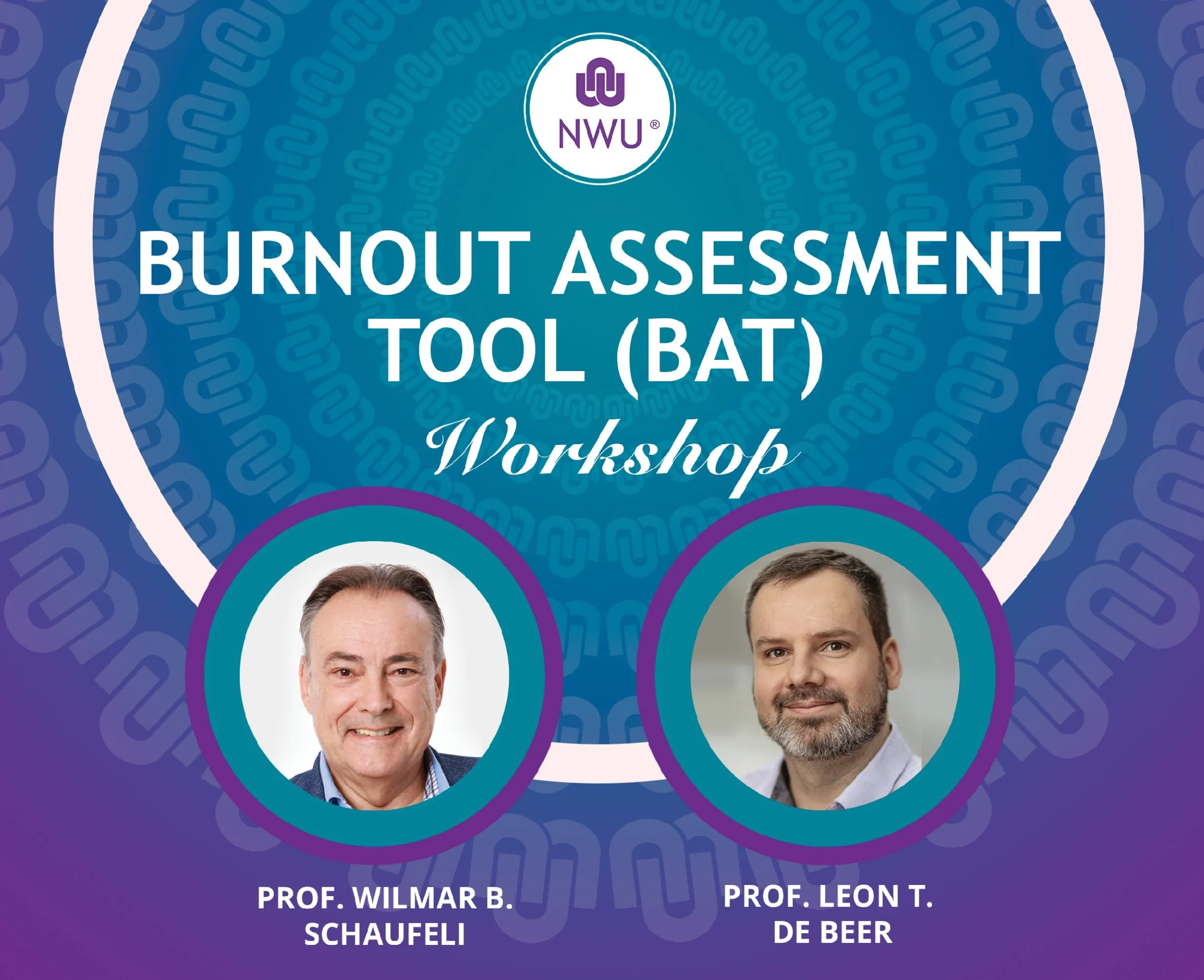
From Prague to Potchefstroom: A Burnout Research Journey Comes Home
Two of the world's leading burnout scholars — Prof. Wilmar Schaufeli and Prof. Leon de Beer — visit Optentia this September.
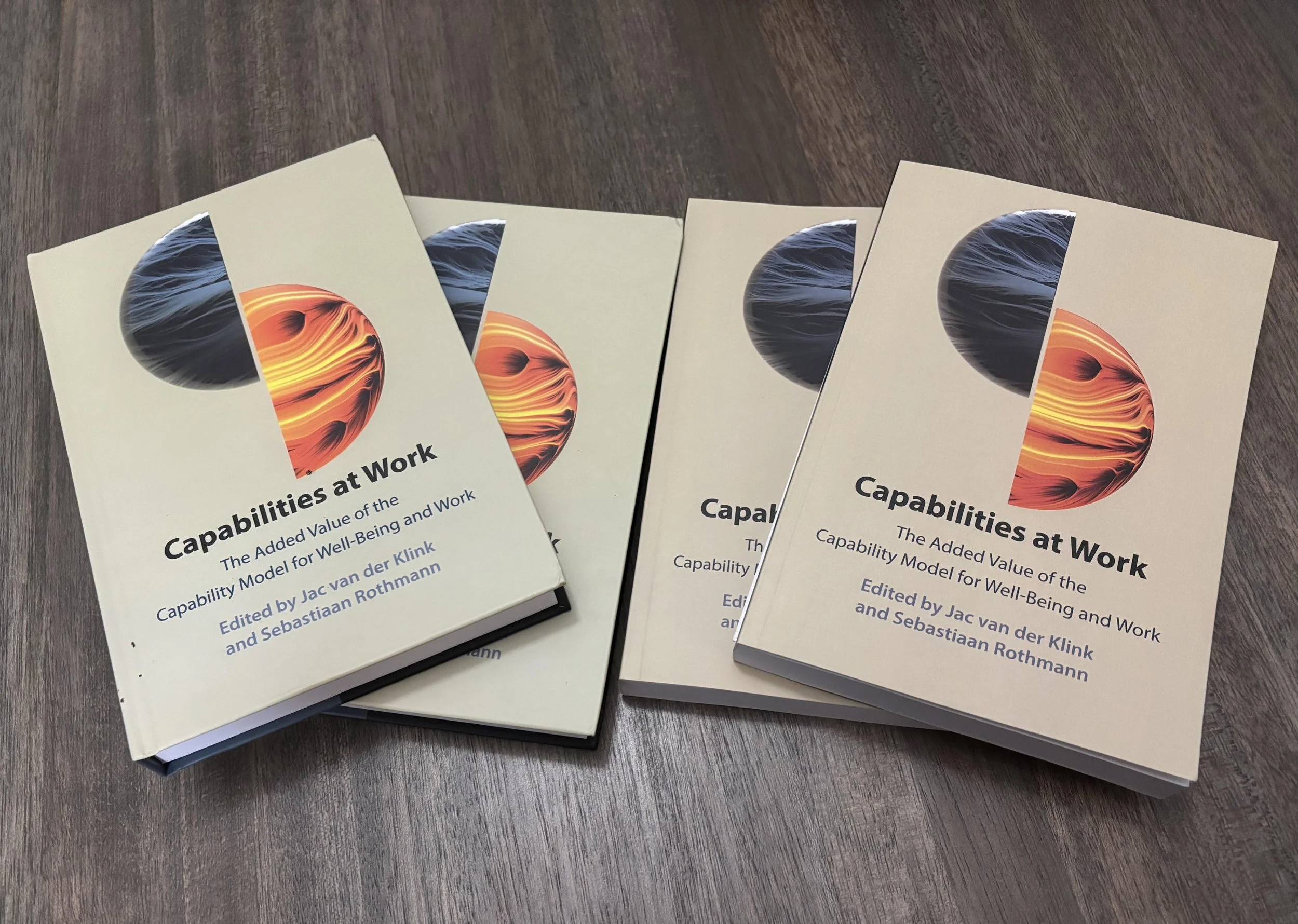
Where We Are on the Journey: Human Potential, Capabilities, and a New Book from Optentia
Our new book Capabilities at Work asks not what predicts performance, but what people are truly free to be, do, and become. Join us on 23 September to celebrate a research journey that crosses disciplines and centres social justice.
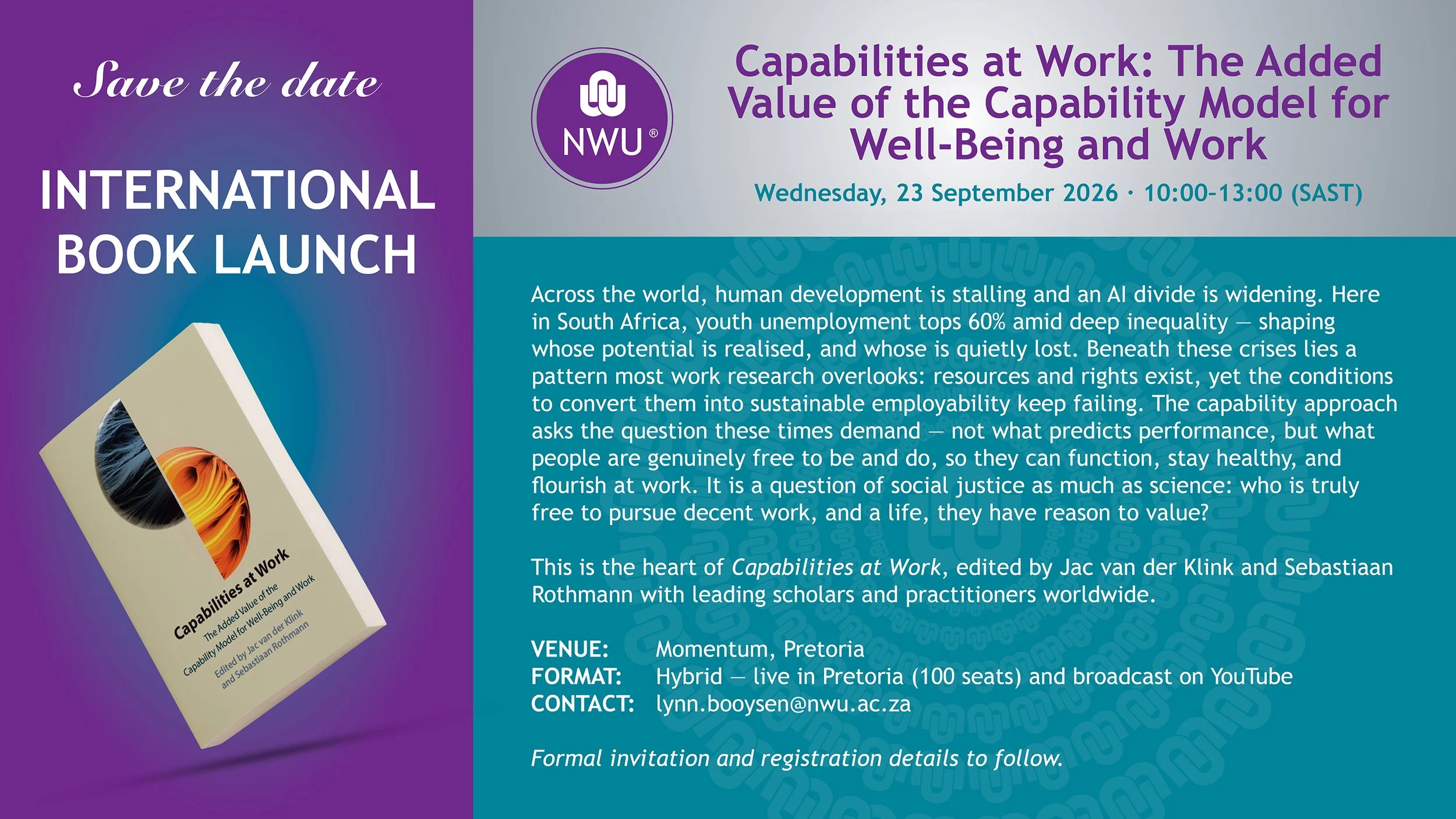
NWU to host international launch of Capabilities at Work
Join leading scholars and practitioners on 23 September 2026 for a hybrid event exploring how the capability approach can advance well-being, decent work and social justice.
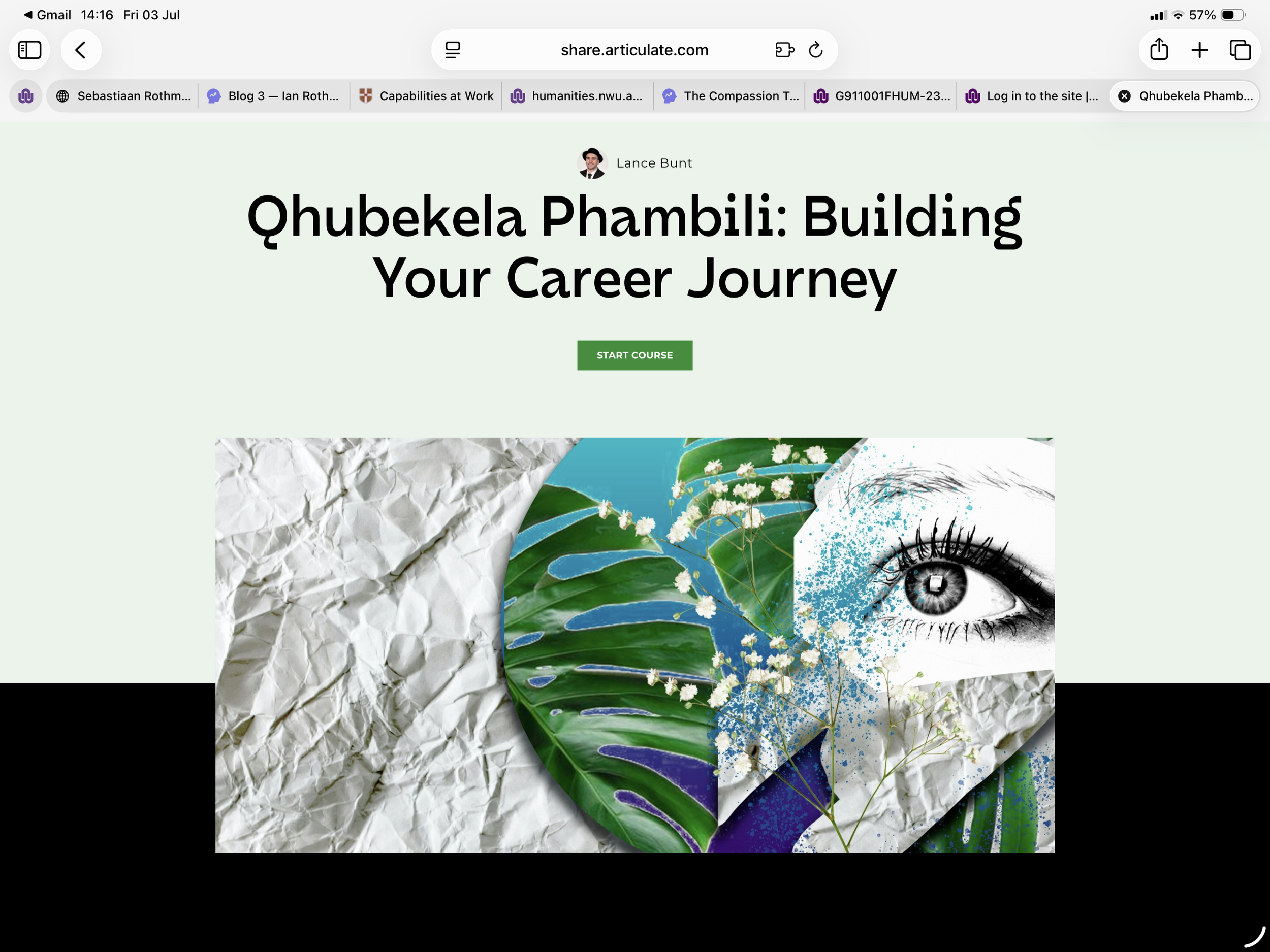
NWU Team Builds New Training Course to Tackle Youth Unemployment
Dr Lance Bunt is building the technical infrastructure and visual identity for Optentia's new Qhubekela Phambili Trainer Development course, based on Dr Rachele Paver's methodology. It equips counsellors and teachers to tackle youth unemployment in South Africa.
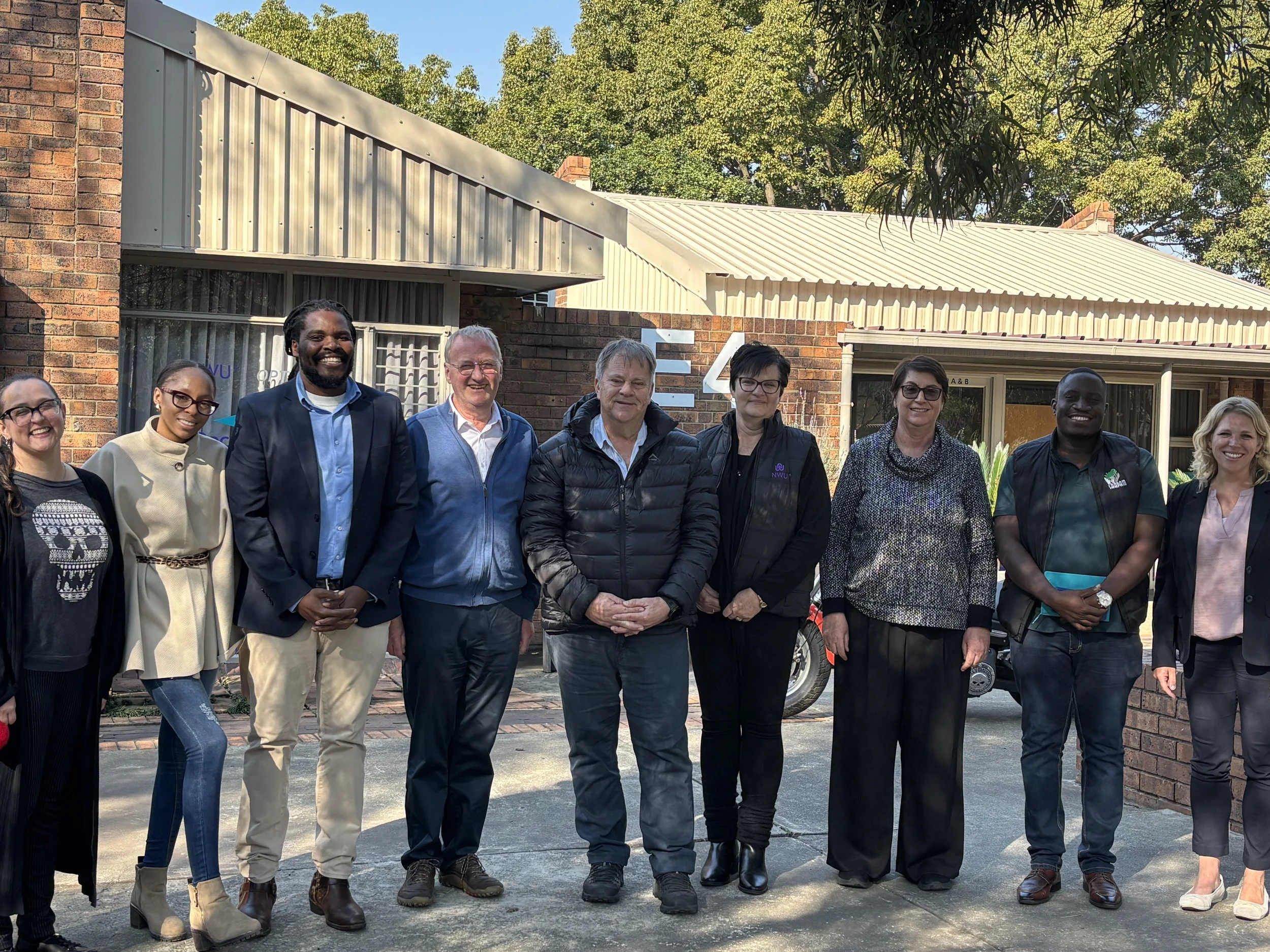
Twenty-Five Years with Tilburg University: A Story of Friendship, Loss, and Science That Matters
What began as a search for the world's best cross-cultural psychologist became one of the most meaningful chapters of my academic life — a twenty-five-year story of scholarship, friendship, and the partnerships that make science matter.